
Electrical Manufacturing Services in Sulphur Springs, TX
Electrical manufacturing involves the design, assembly, wiring, and integration of electrical systems used in production environments, fabrication facilities, and industrial operations. These systems are essential for powering machinery, controlling automated processes, and ensuring consistent production output across manufacturing lines. VTEC Electric, LLC provides electrical manufacturing services in Sulphur Springs, TX, supporting facilities that rely on structured electrical systems to maintain operational efficiency and equipment performance.
Manufacturing environments depend on precise electrical infrastructure to support continuous operation. Unlike general electrical systems, manufacturing setups often involve complex control panels, specialized machinery connections, automation systems, and high-load power distribution. Each component must be properly installed and configured to ensure safe operation and reliable performance under demanding conditions.
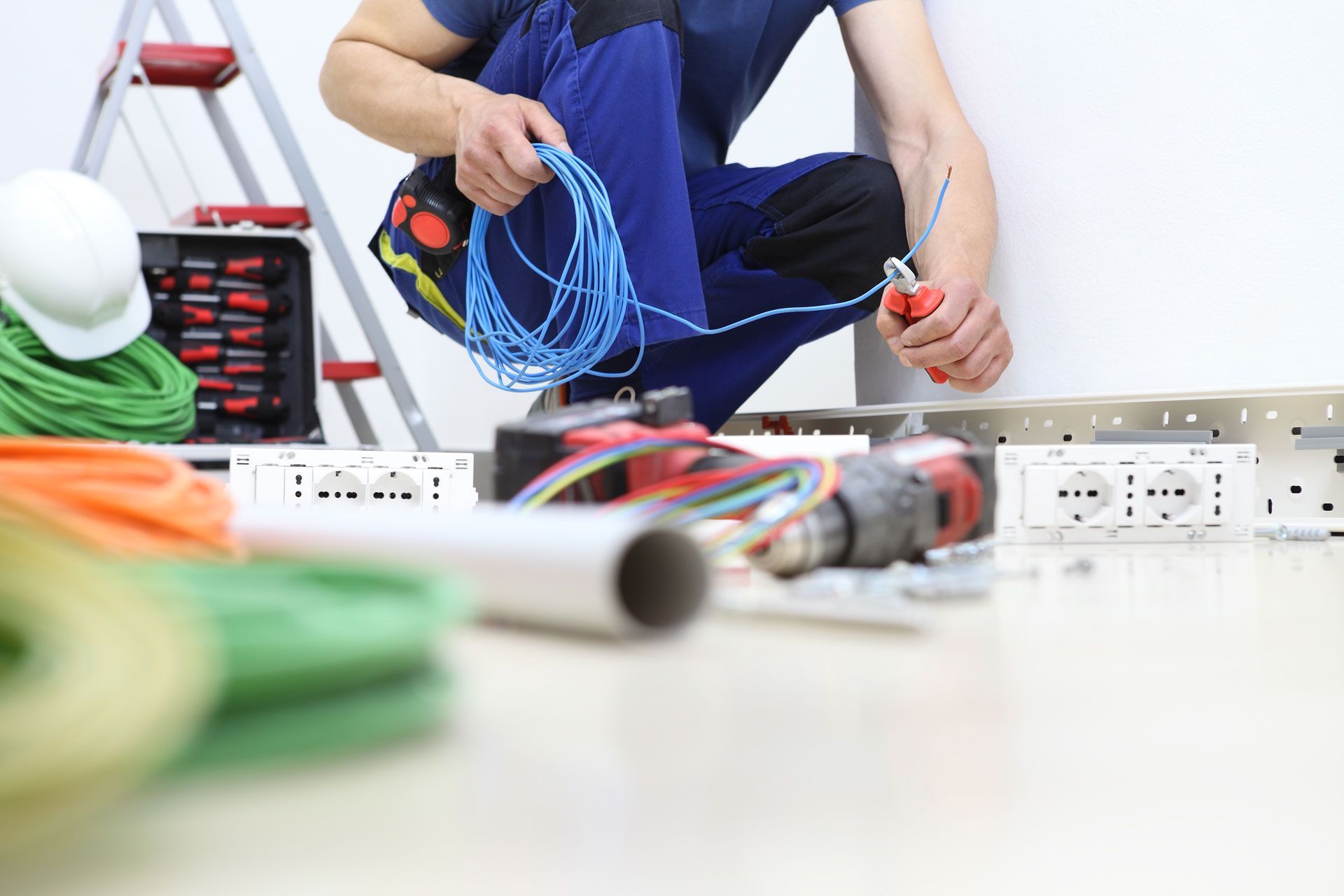
Industrial Electrical System Design for Manufacturing
Electrical manufacturing systems begin with structured design and planning that align with production requirements. The electrical infrastructure must support machinery, control systems, and facility-wide power distribution without interruption.
Production Load Planning
Manufacturing facilities operate with varying levels of electrical demand depending on machinery usage and production schedules. Load planning ensures that electrical systems are designed to handle peak demand without overloading circuits or equipment.
Equipment Power Requirements
Different manufacturing machines require specific voltage levels, amperage ratings, and dedicated circuit configurations. Proper planning ensures that each piece of equipment receives stable and sufficient power for operation.
Facility-Wide Electrical Layout
Electrical layout design determines how power is distributed across production areas, assembly stations, and support systems. A well-structured layout reduces inefficiencies and supports smooth workflow throughout the facility.
Electrical Panel and Control System Manufacturing
Control systems are a central component of electrical manufacturing environments. These systems manage machinery operation, production sequencing, and electrical distribution across equipment.
Control Panel Assembly
Control panels serve as the operational hub for manufacturing systems. They contain switches, relays, circuit protection devices, and monitoring components that regulate equipment performance and system behavior.
Wiring and Internal Configuration
Internal wiring within control systems must be carefully installed to ensure proper signal transmission and electrical stability. Each connection supports specific functions within the manufacturing process.
System Integration and Testing
Once assembled, control systems are tested to verify proper operation and communication between components. This ensures that machinery responds correctly to control inputs and operates within required parameters.
Machinery Wiring and Electrical Connections
Manufacturing facilities rely heavily on machinery that requires precise electrical connections for safe and efficient operation. Proper wiring ensures that equipment performs consistently under production demands.
Dedicated Machinery Circuits
Each machine is typically connected to a dedicated electrical circuit to prevent overload conditions and ensure stable power delivery. This is especially important for high-demand equipment used in continuous production environments.
Motor and Drive System Wiring
Manufacturing equipment often includes motor-driven components that require specialized wiring configurations. Proper installation ensures smooth operation and reduces the risk of electrical faults or mechanical strain.
Equipment Power Distribution
Power distribution systems are designed to supply electricity evenly across multiple machines and production areas. Balanced distribution helps maintain system stability and reduces downtime risks.
Automation and Process Control Systems
Modern manufacturing environments often rely on automation systems to streamline production processes and improve operational efficiency. Electrical infrastructure must support these systems reliably.
Sensor and Control Integration
Sensors and control devices monitor production conditions and send electrical signals to control systems. Proper integration ensures accurate communication between equipment and automation systems.
Programmable Control Systems
Programmable systems manage sequences of operations within manufacturing processes. These systems require precise electrical wiring and configuration to ensure accurate execution of automated tasks.
System Coordination and Synchronization
Manufacturing automation relies on coordinated operation between multiple machines and systems. Electrical integration ensures that processes remain synchronized and efficient throughout production cycles.
Electrical Maintenance in Manufacturing Environments
Ongoing maintenance is essential in manufacturing settings where equipment operates continuously and electrical systems are under constant load. Maintenance helps prevent failures and ensures consistent production output.
Equipment Electrical Inspections
Regular inspections help identify worn components, loose connections, or overheating elements within machinery and control systems. Early detection helps reduce downtime and repair costs.
Wiring and Connection Repairs
Manufacturing environments expose electrical systems to vibration, heat, and continuous use. Repairing damaged wiring and connections helps maintain system stability and operational safety.
System Performance Monitoring
Monitoring electrical performance allows for early identification of irregularities such as voltage fluctuations or load imbalances. Addressing these issues helps maintain consistent production efficiency.
Electrical Safety and Compliance in Manufacturing
Electrical manufacturing systems must meet strict safety standards to protect equipment, personnel, and facility operations. Compliance ensures systems operate safely under industrial conditions.
Grounding and Fault Protection Systems
Proper grounding is essential in manufacturing environments where large machinery and electrical loads are present. Fault protection systems help reduce risk during electrical irregularities.
Code-Compliant Installations
All electrical manufacturing systems must be installed according to applicable electrical codes and industrial standards. Compliance ensures safe and reliable system operation.
System Verification and Testing
After installation or modification, electrical systems are tested to confirm proper function and safety compliance. This includes verifying load handling, circuit integrity, and equipment response.
Electrical Manufacturing Services in Sulphur Springs, TX
Manufacturing facilities in Sulphur Springs require electrical systems that support continuous operation, heavy equipment usage, and automated production processes. VTEC Electric, LLC provides electrical manufacturing services in Sulphur Springs, TX for facilities that depend on reliable electrical infrastructure for production efficiency and system stability.
From control panel assembly and machinery wiring to automation integration and system maintenance, electrical manufacturing work must be precise and properly coordinated. VTEC Electric, LLC delivers electrical manufacturing solutions designed to support industrial performance and long-term operational reliability across Sulphur Springs, TX.